Single speed vs fixed gear is a common comparison because both bikes use one gear, but they behave very differently on the road. A single-speed bike allows you to coast, while a fixed-gear bike keeps the pedals moving whenever the rear wheel turns. This difference affects braking, control, maintenance and the overall riding experience.
Table of Contents
Single-speed vs fixed gear at a glance
| Feature | Single-speed freewheel | Fixed gear |
|---|---|---|
| Coasting | Yes | No |
| Pedals while wheel turns | Only when the rider pedals | Always |
| Rear fitting | Freewheel or single cog on a freehub | Fixed sprocket with the correct hub and lockring |
| Beginner learning curve | Familiar | Requires new habits |
In a single speed vs fixed gear comparison, the two bikes may look nearly identical from a distance. Both can have a clean chain path, horizontal dropouts and minimal controls. The easiest way to identify the system is to lift the rear wheel and turn it forward. If the cranks remain still, the bike freewheels. If the cranks rotate with the wheel, it is fixed.
How a single-speed freewheel works
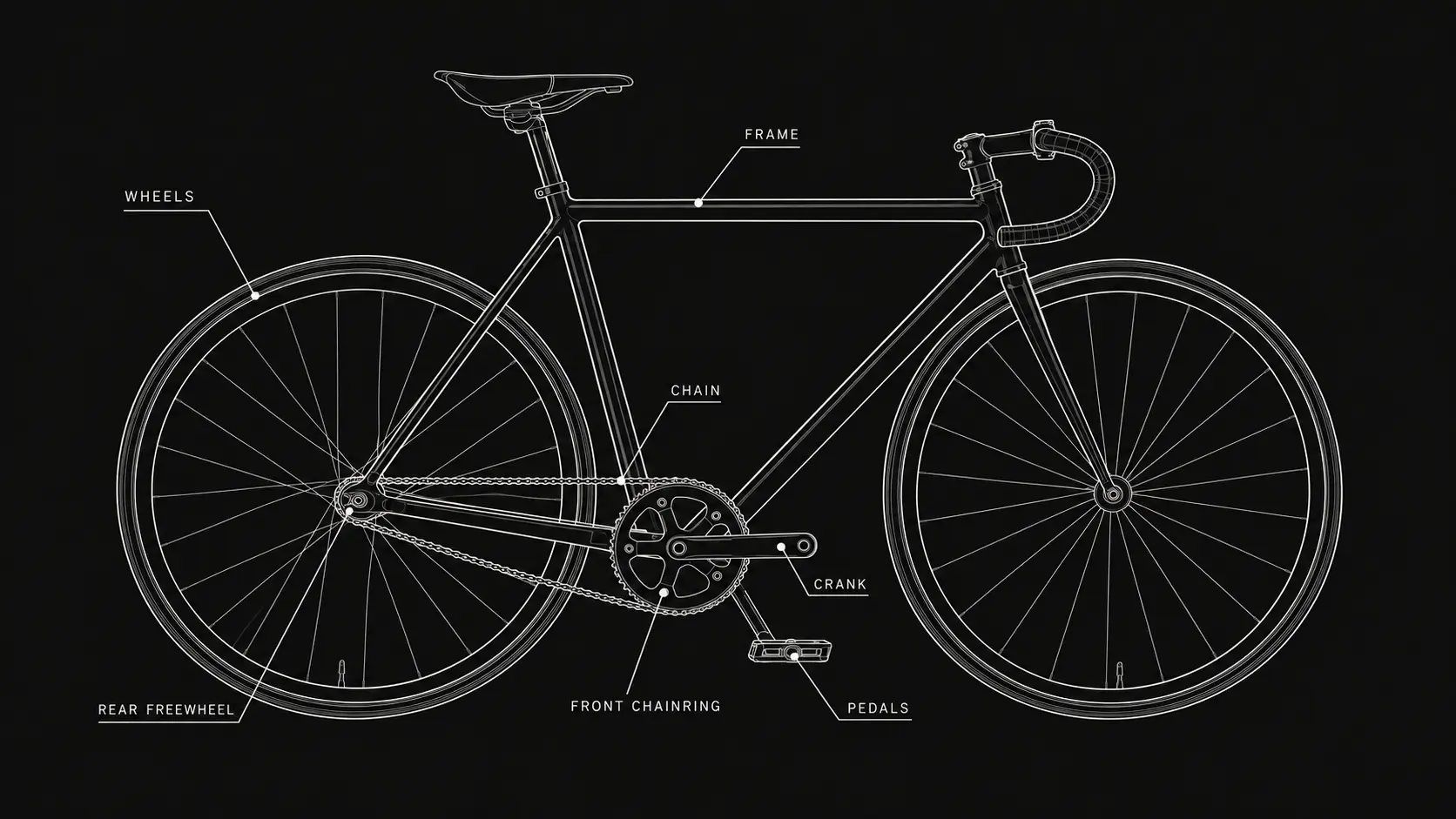
The freewheel is the first mechanical difference in single speed vs fixed gear. Its ratcheting mechanism locks in the driving direction when you press the pedals and transfers force through the chain to the rear wheel. When you stop pedalling, it ratchets in the other direction, allowing the wheel to keep moving independently of the cranks.
That ability to coast makes starts, corners, descents and rough surfaces feel familiar to anyone who has ridden a conventional bicycle. You can level the pedals through a corner, pause to reposition your feet and rest on a descent. Park Tool’s freewheel service guide shows the threaded system used on many dedicated single-speed wheels.
How a fixed-gear drivetrain works
The fixed sprocket is the other side of single speed vs fixed gear. On a fixed-gear bicycle, the rear sprocket is mechanically fixed to the hub, with no ratchet between sprocket and wheel. One rear-wheel revolution therefore produces a matching amount of crank rotation according to the chosen gear ratio. The rider cannot stop the pedals while the bicycle is moving.
This direct connection creates the distinctive fixed-gear experience. You control speed partly through cadence and can feel changes in wheel speed immediately through the pedals. Some riders value that continuous rhythm, but it demands concentration. Pedal position cannot be paused for a bump or corner, and a steep descent can force a very high cadence.
Coasting changes everyday riding
For everyday riding, coasting is the clearest single speed vs fixed gear difference. On a freewheel single-speed, you can stop pedalling before a turn, keep the inside pedal high and begin again after the corner. You can also pause when passing over tram tracks, potholes or wet paint. On fixed gear, the crank continues its cycle through all of those situations.
That does not make one system universally better. It means the two systems ask for different riding habits. A freewheel is generally easier for mixed traffic, longer descents and riders who want a simple bicycle without changing their pedalling technique. Fixed gear rewards smooth cadence and deliberate bike control, but the learning period should be taken seriously.
Braking is still essential
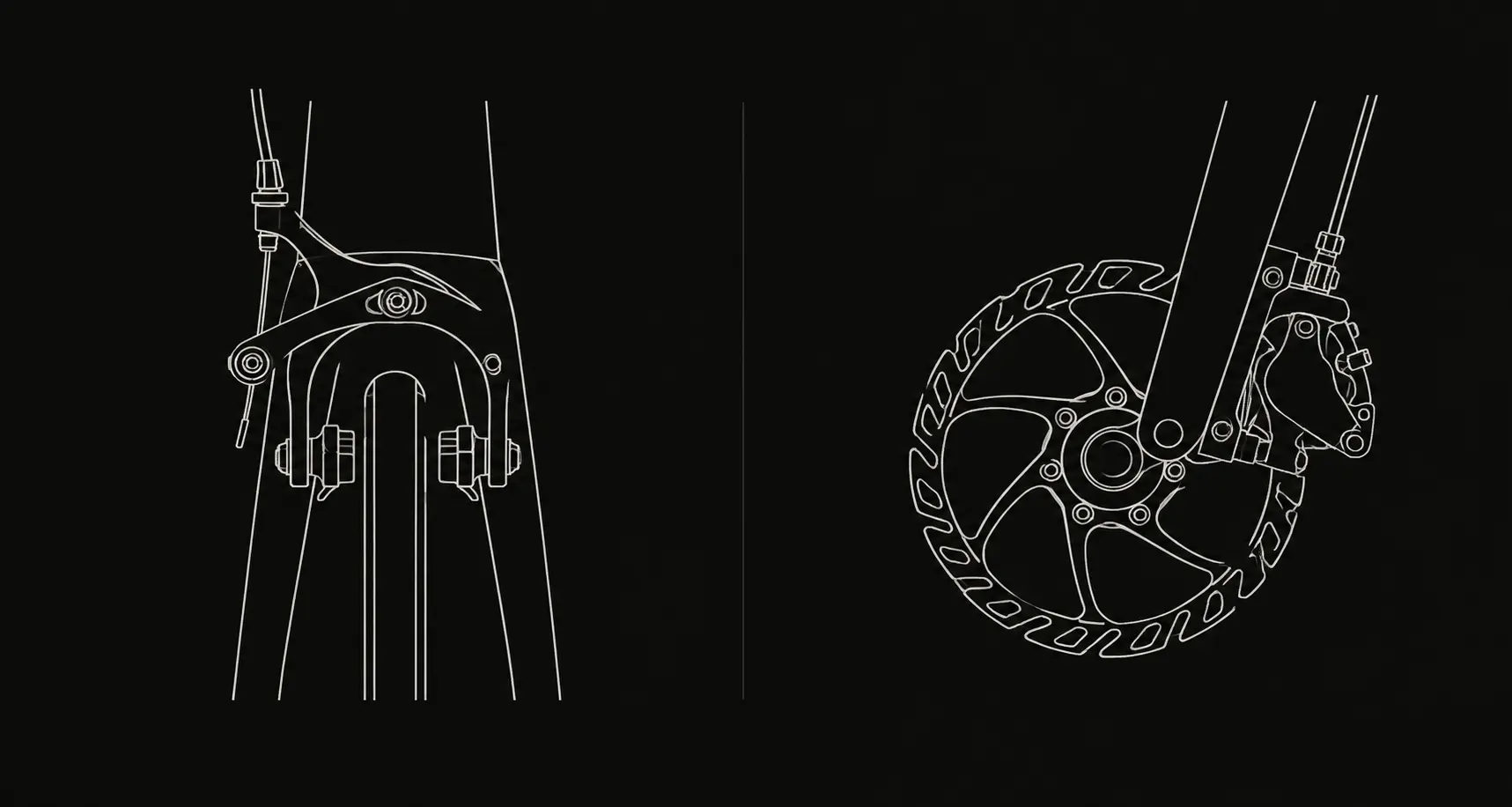
Braking is a safety-critical part of single speed vs fixed gear. Single-speed does not mean brakeless, and fixed gear should not be treated as a substitute for proper brakes. Resisting the pedals can influence speed on a fixed-gear bike, but it is not the same as having an independent braking system with predictable stopping power.
Brake requirements also depend on local law and riding conditions. For a practical street build, use brakes that match the frame, fork, wheels and levers. A rim-brake caliper needs the correct mounts, reach and rim braking surface. A disc system needs compatible mounts, hubs, rotors, calipers and levers. If there is uncertainty about a safety-critical installation, have a qualified mechanic inspect it.
Rear hubs and flip-flop wheels
Rear-hub compatibility is another single speed vs fixed gear distinction. A rear wheel is not automatically compatible with both formats. A threaded freewheel needs the appropriate thread and spacing. A traditional fixed-gear setup needs a fixed sprocket thread plus a separate left-hand lockring thread that helps prevent the sprocket from loosening under back pressure.
Some rear hubs are described as flip-flop hubs because each side accepts a different drive fitting. One side may take a freewheel and the other a fixed sprocket, allowing the rider to remove and reverse the wheel. The exact interfaces still matter. For example, White Industries explains that its ENO flip-flop hub combines a standard threaded freewheel side with its own splined fixed-cog system. The product name alone never replaces checking the technical specification.
Chain tension and dropout design
Both sides of single speed vs fixed gear need controlled chain tension because there is no rear derailleur to take up slack. Horizontal, track-style or sliding dropouts let the rear axle move to adjust tension. A frame with vertical dropouts may need another approved tensioning solution, and not every solution appropriate for a freewheel drivetrain is suitable for fixed gear.
The chain should not be pulled excessively tight. The chainring and sprocket are not perfectly concentric, so tension can vary as the cranks rotate. Setup should account for the tightest point while retaining safe engagement. Follow the component manufacturer’s instructions or ask an experienced mechanic when working with a fixed drivetrain.
Chainline matters on both bikes
Viewed from above, the front chainring and rear sprocket should form an appropriately straight chain path. Poor chainline can create noise, accelerate wear and reduce reliability. Bottom bracket spindle length, crank design, chainring position, hub spacing and rear sprocket position all affect the result.
Surly’s single-speed drivetrain guide explains chainline, chain tension and one-speed setup in practical terms. These details are important precisely because a simple drivetrain has fewer components available to compensate for poor alignment.
Maintenance and component wear
Both systems remove shifters, cables and derailleurs, so routine drivetrain care is straightforward: keep the chain clean and lubricated, monitor wear, inspect sprocket teeth and maintain correct tension. A freewheel adds a ratcheting mechanism that may eventually need service or replacement. A fixed sprocket is mechanically simpler, but the constant connection can place different loads on the chain and lockring.
Parts must also share a compatible chain width. Track-oriented components often use 1/8-inch teeth and chain, while many road-derived single-speed systems use 3/32-inch components. Do not assume that every part marketed as single-speed or fixed gear belongs to one universal standard.
Which is better for commuting?
For most new urban riders, a freewheel single-speed is the more adaptable commuter. Coasting helps with frequent stops, uncertain traffic and rough surfaces. Conventional braking behaviour is familiar, and the bicycle still delivers the low-maintenance appeal of one gear.
A fixed-gear commuter can work for a rider who actively wants continuous pedalling and has appropriate skills, routes and brakes. It is less forgiving when the road demands an unexpected pause in pedalling. Route conditions matter more than style: hills, long descents, tram tracks and dense traffic all influence the decision.
Which should a beginner choose?
Choose a freewheel single-speed if your priority is simplicity without giving up coasting. Choose fixed gear only if the continuous connection is a deliberate part of the experience you want and you are prepared to learn the technique safely. A flip-flop wheel can preserve both options, provided the hub, spacing, chainline and frame are genuinely compatible.
Bike Builder currently recommends freewheel-based builds because they suit a wider range of beginner use cases. If that direction fits your riding, read the complete guide to building a single-speed bike or start your single-speed build from your route, comfort and speed priorities.