
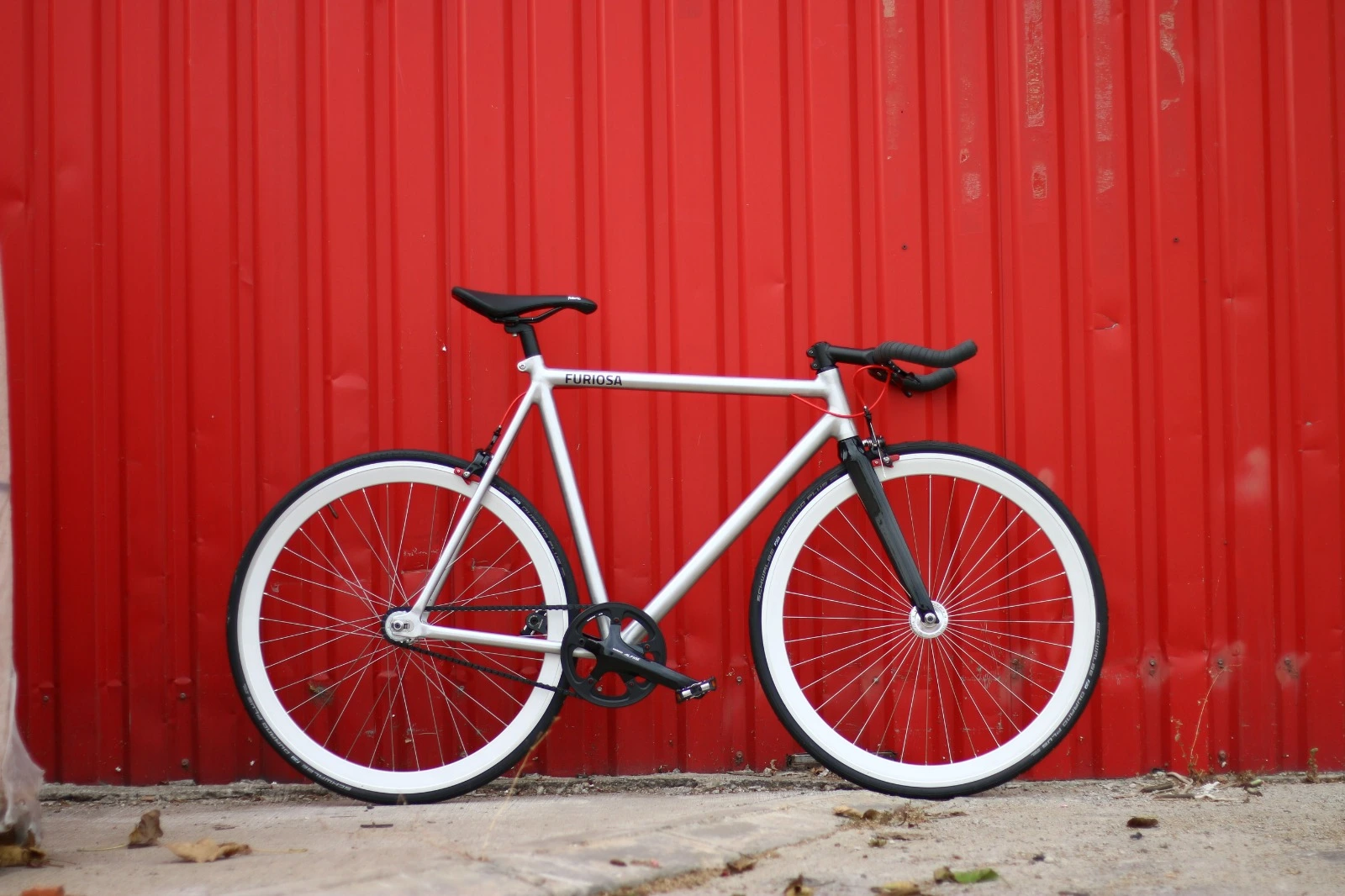
Cycling in the Netherlands can quickly become part of everyday life after moving here. Finding a home is only one part of settling into the Netherlands. Once you know where you might live, the next practical question is how you will get to work, university, the supermarket and the railway station.
The value of a bicycle depends on the distances around your home, the routes you expect to take, your access to public transport and how comfortable you feel riding. Thinking about those details while you compare homes can reveal options that look inconvenient on a walking map but work well in daily life.
Table of Contents
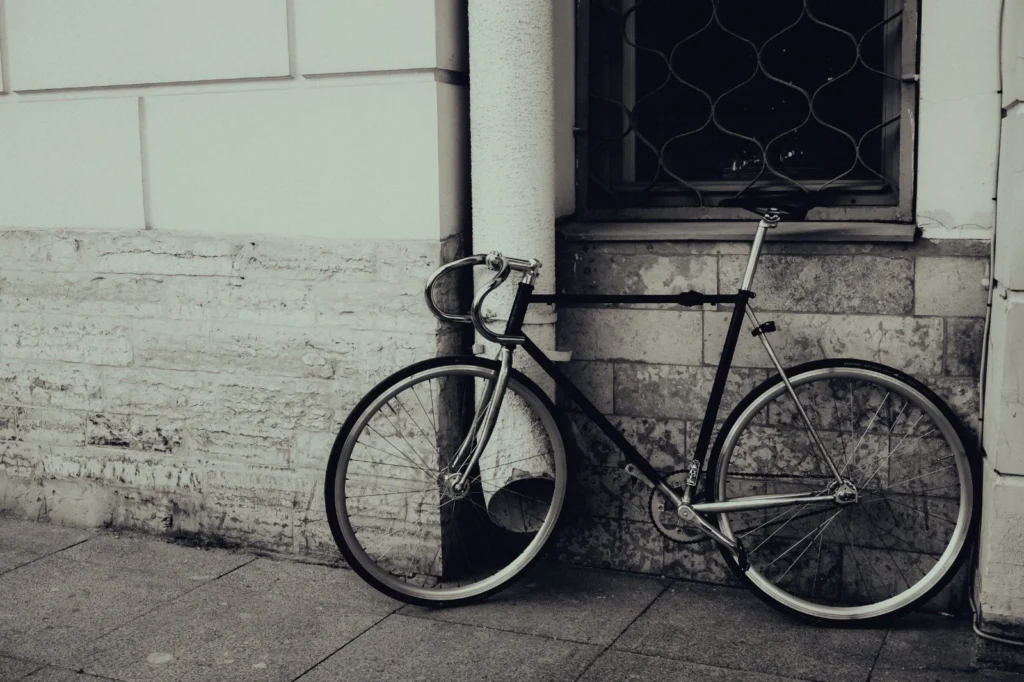
Why cycling matters when choosing where to live
A neighbourhood can feel very different when you measure it in cycling minutes instead of walking minutes. RentRouteNL’s guide to living beyond Amsterdam is a useful starting point when a wider search area could improve value or daily life. A home three kilometres from a railway station may be awkward on foot, yet practical by bicycle. The same applies to supermarkets, a university campus, a city centre or an office on the edge of town.
This matters when you decide where to live. If you only search within walking distance of a station, you may overlook quieter or more affordable areas that still offer a manageable commute. A bike-and-train routine can extend your realistic search area without requiring a car. It can also make transfers more predictable because you control the first and last part of the journey.
Look beyond distance alone. Check whether a route feels direct, whether you must cross busy roads, where you can park at the station and whether your home has secure bicycle storage. A short but uncomfortable route may be less useful than a slightly longer route on separated cycle paths.
Do you actually need a bike in the Netherlands?
Not necessarily. In compact city centres, walking and public transport may cover most daily needs. If you work from home, live beside a railway station and shop nearby, a bicycle could be useful without being essential. In a smaller town, suburban neighbourhood or campus area, it may save substantial time.
Consider how often you expect to make short trips of roughly one to seven kilometres. That range often includes errands, social visits and travel to a station. Then consider your confidence, mobility and willingness to ride in rain or wind. You can also wait until you understand your routine. Renting or borrowing a bicycle for the first weeks can be more informative than buying one before you arrive.
When reading RentRouteNL’s guidance on moving to the Netherlands, treat transport as part of the wider settling-in process. Registration, housing, work and public transport matter, but the final kilometres between them shape everyday life too.
What type of bike makes sense for everyday Dutch use?
The best choice is the bicycle that suits your routes, storage, budget and maintenance expectations.
A traditional Dutch city bike usually offers an upright position, practical accessories and a sturdy frame. It suits routine trips and can be comfortable in ordinary clothes. Its weight may matter if you have to carry it up stairs.
A geared commuter gives you more flexibility for longer journeys, bridges, headwinds and changing loads. More gears also mean more parts to maintain, although hub-geared city bikes keep much of the mechanism protected.
An e-bike can make a longer commute or regular headwind more manageable. It costs more, needs secure storage and requires you to plan for charging and battery care.
A single-speed has one gear ratio. It can appeal to riders who value mechanical simplicity, relatively low maintenance and direct urban riding on shorter, flatter routes. The limitation is equally clear: you cannot shift to an easier gear when the wind rises, a bridge becomes steep or you carry extra weight.
A fixed-gear bicycle also uses one ratio, but its drivetrain behaves differently from a normal single-speed. Newcomers should understand that distinction before choosing one.
If a simple one-gear setup fits your plans, YourBikeBuilder can help you plan a single-speed bike around your riding needs before you buy components.
Do you need gears for cycling in the Netherlands?
The Netherlands is famously flat overall, but that does not make every ride effortless. Bridges, coastal wind, longer distances, uneven surfaces, luggage and rider fitness all change how a gear feels. A ratio that is pleasant for a short city trip may feel demanding during a strong headwind or on a daily commute with panniers.
A gear ratio is the relationship between the front chainring and rear sprocket. A larger front chainring or smaller rear sprocket makes the bicycle travel farther with each pedal turn, but requires more effort to start and climb. A smaller front chainring or larger rear sprocket is easier to turn, but you may spin quickly at higher speeds. The goal is a useful balance for your normal route, not the biggest possible number.
If you are considering one gear, this guide to choosing the right single-speed gear ratio explains the trade-offs in more detail. Include your typical distance, wind exposure, fitness and expected luggage in the decision.
Getting the right bike size
A cheap or attractive bicycle is not a bargain if it leaves you uncomfortable. Frame size affects how easily you can stand over the bike, reach the handlebars and pedal without feeling cramped or stretched. Rider height is a useful starting point, but body proportions, frame geometry and riding position also matter.
For everyday use, check that you can control the bicycle confidently when starting and stopping. Your reach should allow relaxed shoulders and a comfortable grip. Saddle height should let you pedal efficiently without rocking your hips. A test ride remains valuable because two frames with the same labelled size can feel different.
Before buying parts or a specialist frame, read about choosing the right single-speed frame size. It covers fit alongside compatibility, which matters if you plan to reuse wheels, a fork or other components.
Single-speed and fixed gear are not the same thing
The terms are often mixed together, but the riding experience is different.
A single-speed bicycle with a freewheel lets you stop pedalling while the bicycle continues moving. You can coast downhill, through a corner or while adjusting your position.
On a fixed-gear bicycle, the rear wheel and pedals remain mechanically connected. When the bicycle moves, the pedals keep turning. Some riders like the direct connection, while others prefer the familiar ability to coast. Neither format is automatically better, but a buyer should know which mechanism is fitted and whether it matches their experience and intended use. Wind and bridges can still matter when cycling in the Netherlands, even though much of the country is relatively flat.
The practical explanation of single-speed and fixed-gear differences can help you recognise what a listing or seller is offering before you commit.
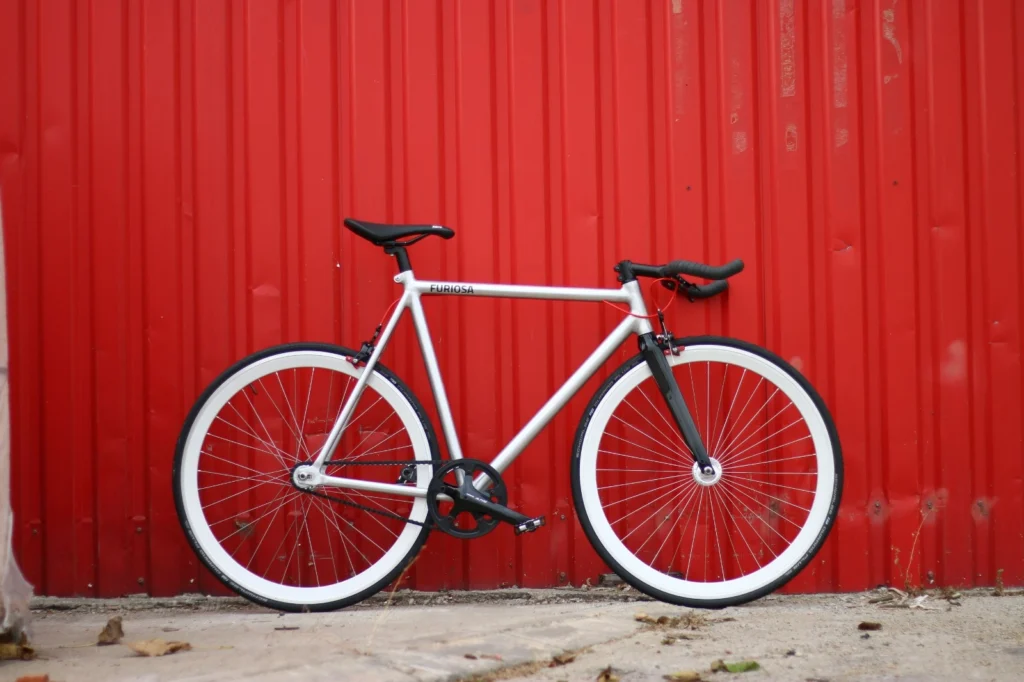
Buying a complete bike vs building your own
For many newcomers, the easiest answer is a complete Dutch city bike. A used bicycle can be affordable and already equipped with lights, mudguards, a chain guard, a rack and a lock. Check its condition carefully and buy through a source that can establish legitimate ownership.
A new complete bicycle costs more but usually gives you clearer sizing, support and warranty terms. It is a straightforward option when you want reliable transport without choosing every component.
Building or modifying a single-speed makes more sense when you want control over the frame, fit, gearing, handlebars, wheels and component compatibility. You might start with an existing bicycle and replace selected parts rather than build everything at once. That approach can spread the cost, but it still requires accurate measurements and compatible components.
If you want to understand the sequence before deciding, use this beginner’s guide to building a single-speed bike as a planning reference. A plan helps you compare the true cost with a complete bicycle and avoid buying parts that do not work together.
Practical things newcomers often forget
A practical bicycle needs more than the right frame and gears. Before relying on it, check the following:
- Lights: Make sure the front and rear lights work and remain visible. Keep spare batteries or a charging routine if needed.
- A reliable lock: Use a strong lock and secure the frame to an appropriate fixed point where possible. Learn how bicycle parking works around your home, workplace and station.
- Brakes: Test both brakes before regular use, especially on a second-hand bicycle.
- Tyre pressure: Soft tyres make riding harder and increase the chance of damage. Check them regularly and carry or own a suitable pump.
- Wet weather: Mudguards, a waterproof layer and a dry place for important items make ordinary rain easier to manage.
- Basic maintenance: Listen for new noises, keep the chain in reasonable condition and address loose parts before they become larger problems.
- Theft awareness: Record identifying details, keep proof of purchase and avoid leaving an expensive bicycle in an exposed location for long periods.
- Local infrastructure: Observe cycle paths, junction markings, parking rules and the behaviour of other road users. Give yourself time to learn unfamiliar routes outside the busiest periods.
If you combine cycling with trains, check the operator’s current conditions before travelling with a bicycle. Parking at the station or using a second bicycle at the destination can sometimes be simpler than taking a full-size bike on board.
Cycling and your housing search
Cycling in the Netherlands can significantly change how far away a neighbourhood feels from work or a railway station. When you compare properties using RentRouteNL’s guide to renting in the Netherlands or plan viewings, add cycling questions to your normal housing checklist:
- How long is the ride to work or university?
- How long does it take to reach the nearest useful railway station?
- Are supermarkets and essential services on a convenient route?
- Can you reach the city centre without relying on a car?
- Does the route feel safe and understandable to you?
- Is there secure, practical bicycle storage at the property?
- Would the commute still feel realistic in rain, cold or strong wind?
Check the route at the time you would normally travel. A map can estimate distance, but it cannot fully show how a junction feels in rush hour, whether station parking is crowded or whether carrying a bicycle through a narrow hallway will become a daily irritation.
Cycling can expand your housing options, but it should support your routine rather than complicate it. RentRouteNL helps internationals connect housing decisions with the realities of daily life, so you can judge a home by more than its address and monthly rent.
Still deciding where to live? Use Find your Route to explore a housing-search approach that fits your situation.